
Autoimmune Disorders Affect Women Disproportionately, But Men Must Not Be Overlooked: Dr Pavithra Pai
Bengaluru: Autoimmune disorders affect women disproportionately, particularly during their reproductive years, but the condition should not be viewed exclusively as a women’s disease, said Dr Pavithra Pai, Assistant Professor, Department of Prasuti Tantra and Stree Roga, SDM College of Ayurveda, Udupi.
Interacting with journalists ahead of KSHAMATVAM 2026, the sixth International Conference on Translational Ayurveda in Autoimmune Disorders, Dr Pai said greater awareness, early diagnosis and appropriate medical care were essential to addressing the growing burden of autoimmune diseases.
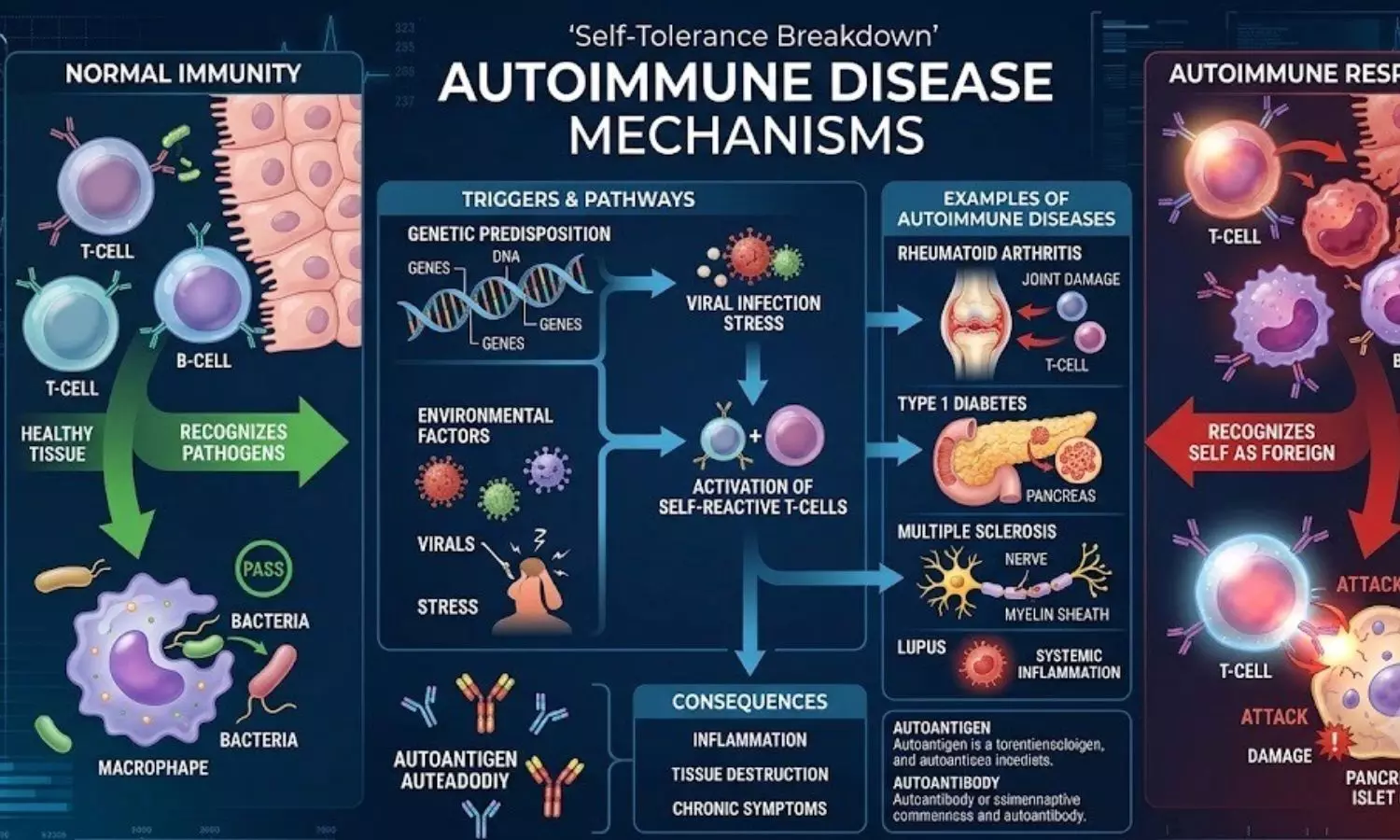
“Autoimmune disorders occur when the immune system mistakenly attacks the body’s own cells and tissues. They can affect several systems, including the thyroid, skeletal system, nervous system and reproductive system,” she said.
Dr Pai explained that women are more susceptible to many autoimmune disorders because of differences in hormones, genetics and immune responses. She said several immune-related genes are located on the X chromosome and women have two X chromosomes, while hormonal factors, particularly estrogen, can influence immune activity.
According to her, physiological changes during menstruation, pregnancy, childbirth and menopause can also influence autoimmune disease activity. Conditions such as systemic lupus erythematosus, rheumatoid arthritis and antiphospholipid syndrome can have significant implications for reproductive health, including fertility and pregnancy.
“Pregnancy and the postpartum period are important immunological phases. Some autoimmune conditions may improve during pregnancy, while others, such as systemic lupus erythematosus, can become more active,” Dr Pai said.
She particularly highlighted antiphospholipid syndrome, an autoimmune disorder associated with recurrent pregnancy loss and complications such as pre-eclampsia, premature delivery and placental problems. Postpartum thyroiditis is another condition that can emerge after childbirth because of changes in hormonal and immune mechanisms.
However, Dr Pai cautioned against assuming that autoimmune disorders are predominantly a female concern. Men can also develop autoimmune diseases, and certain conditions may occur more frequently among men.
“Persistent joint pain, digestive problems, unexplained infections or recurring skin manifestations should not be ignored simply because the patient is male. Symptoms can sometimes be overlooked or diagnosed late,” she said.
Dr Pai urged women not to dismiss recurring or unexplained symptoms as merely the result of hormonal changes, stress, ageing or a busy lifestyle. Routine medical evaluation and timely investigations can help identify autoimmune disorders at an earlier stage.
She stressed the importance of preconception counselling for women with autoimmune conditions. With appropriate medical supervision, healthy nutrition, regular antenatal care and proper pregnancy-related regimens, women with autoimmune disorders can achieve healthy pregnancies.
“Women with autoimmune disorders require individualised care before conception, during pregnancy and after delivery. Regular follow-up is important because disease activity can change during different stages,” she said.
Dr Pai also emphasised the importance of postpartum care, including adequate sleep, nutrition, hygiene and a healthy lifestyle. She said proper care during the postpartum period could help women cope with hormonal fluctuations and improve their overall well-being.
Discussing Ayurveda’s approach, Dr Pai said autoimmune disorders could not be treated as one single disease entity. Ayurveda, she said, considers individual factors such as prakriti , digestive capacity, the balance of tridosha , strength of the disease and the overall strength of the individual while determining an appropriate approach.
“Ayurveda gives importance to understanding the individual rather than applying the same approach to every patient,” she said, adding that avoidance of aggravating factors, a fresh and wholesome diet and appropriate medical care could support overall health.
She advocated lifestyle measures such as regular physical activity, adequate sleep, pranayama, stress management and maintaining a healthy body weight. Avoiding tobacco and alcohol, maintaining personal hygiene and adopting relaxation practices could also contribute to overall well-being, she said.
Dr Pai said genetic susceptibility to autoimmune diseases could not always be prevented, but several modifiable risk factors could be addressed through healthy lifestyle practices.
She said the gender gap in autoimmune diseases should encourage greater awareness rather than create a perception that men were protected from such conditions.
“Autoimmune disorders have a gender preference, but not a gender boundary. Women carry a disproportionate burden, but men should not be overlooked. Timely diagnosis, appropriate treatment and multidisciplinary care can improve quality of life irrespective of gender,” Dr Pai said.
She was speaking ahead of KSHAMATVAM 2026, the sixth International Conference on Translational Ayurveda in Autoimmune Disorders, scheduled to be held at the SDM College of Ayurveda, Hospital and Research Centre in Udupi.
The conference, themed “Translational Ayurveda in Autoimmune Disorders: Bridging Classical Wisdom with Global Healthcare,” will be preceded by a workshop on September 29, followed by the main conference on September 30 and October 1.