
iPhone 17 Leads India Smartphone Shipments as Market Hits 5-Year Low
Memory shortages are causing problems in the smartphone market. As companies try to keep costs under control while prices go up sales are getting worse. Actually, the Indian market had its quarter, for smartphone shipments in five years. Even though things are getting worse the iPhone 17 is still the model that is shipped the most.
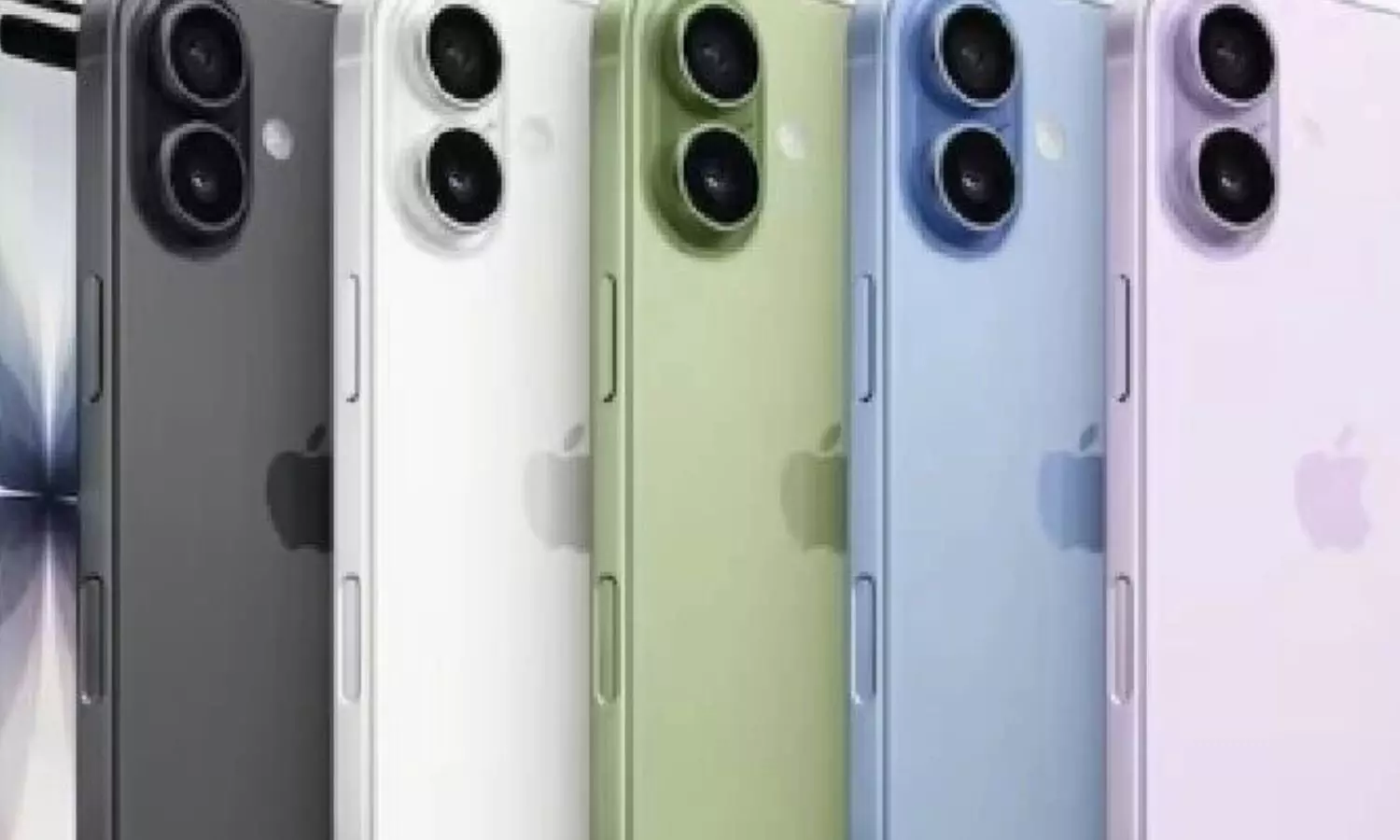
According to IDC’s ‘Worldwide Quarterly Mobile Phone Tracker’ report, smartphone shipments in India fell 11.1 percent year-over-year to 33.2 million units during the April–June 2026 quarter. Meanwhile, the cumulative shipment volume for the first two quarters was 64.2 million—a 7.9 percent decrease—marking the lowest level in five years.
“Demand hasn’t disappeared; people are simply waiting longer to buy, and those planning to upgrade their device might want to do so sooner rather than later, before prices rise further,” noted Upasana Joshi, Senior Research Manager at IDC.
At the same time, the market value of shipments rose 3.6 percent year-over-year due to increased costs. Notably, several companies—including Xiaomi, Oppo, Vivo, and Nothing—have raised their smartphone prices in recent weeks.
The iPhone 17 is the device with the highest shipment volume
The report indicates that the pressure did not affect the entire market equally. The average selling price rose 14.4 percent year-on-year to reach a record $315 (approximately 30,000 rupees) in the second quarter of 2026, as manufacturers reduced discounts to protect profit margins.
Apple and Samsung were among the few brands that managed to keep shipment levels virtually stable in a shrinking market. Apple was also constrained by supply shortages for the iPhone 15, 16, and 17 models; nevertheless, the iPhone 17 was the highest-volume device in terms of shipments in both the first and second quarters of 2026. Apple holds sixth place in the Indian market, with an 8.5 percent market share.
However, Upasana Joshi believes Apple could soon face headwinds, at least regarding older iPhone models. She adds: “Apple faces similar supply-side pressure: older models will become more expensive, and attractive festive season discounts—common in previous years—are not expected. Consequently, iPhone shipments are likely to see a mid-single-digit decline in 2026 compared to the 14.3 million units shipped in 2025.”
Vivo continues to lead the market; Samsung follows closely
Vivo remained the market leader in India, despite a year-on-year drop in market share from 19 percent to 18.4 percent. Samsung saw a slight increase in shipments, taking second place with a 16.4 percent share, up from 14.5 percent previously.
Oppo took third place with a 13.8 percent share, while Xiaomi came in fourth with 9.7 percent and Realme fifth with 9.3 percent.
Among other brands, iQOO suffered the biggest hit to shipments, with a 61 percent drop, while Poco recorded a 12.3 percent decline.
The report says that Chinese brands got hurt more because they have a lot of products in the end and budget segments. This is where the high cost of memory and other parts is a problem, for Chinese brands. Chinese brands are really struggling with this issue in the end and budget segments.
Meanwhile Samsung was helped by having kinds of products and being bigger. This made it possible for Samsung to handle costs without losing sales or profits. Even though Apple was not in the five when it came to how many units were shipped Apple still was the best, in terms of money made. Apple had a 27.0 percent share which was up 22.2 percent compared to year.
Entry-level smartphones take the biggest hit; 4G phone shipments rise
The big problem is with the phones. People are not buying many phones that cost less, than 9,500 rupees. In fact, the number of these phones sold went down by 74.3 percent this year compared to year. Before these cheap phones made up 15.6 percent of all phones sold. Now they only make up 4.5 percent. The people who make these phones are having a time making money from them so they are not making as many new phones and they are not selling them in as many places as they used to.
At the same time, brands reintroduced or expanded their 4G model lineups as a temporary response to the high cost of entry-level 5G devices, pushing the 4G share up to 11.1 percent. Once that inventory is depleted, the report notes, buyers will have little choice but to opt for more expensive 5G models.
The $100–$200 segment (approximately 9,500–19,000 rupees) remained the largest in the market, holding a 46.8 percent share with virtually flat performance. This segment became the preferred choice for price-conscious buyers. Many buyers also traded up; the $400–$600 price bracket (approximately 38,000–57,000 rupees) recorded year-on-year growth of 60.3 percent, with its market share rising from 4.8 percent to 8.6 percent.
The composition of sales channels also shifted. The online channel had a drop, in shipments it fell by 19.8 percent from last year. Online channel shipments had a drop. The market share of channel shipments also went down it was 46.4 percent before and now it is 41.9 percent. This happened because there were not discounts and offers and you could not find many basic models of smartphones online.
On the hand offline channel shipments did not do as badly they only dropped by 3.6 percent from last year. Offline channel shipments had a drop. But the share of channel shipments actually went up it was 53.6 percent before and now it is 58.1 percent. This is because companies are now selling smartphones in stores more often this helps them deal with pricing problems.
Smartphone shipments may face further declines
The situation for smartphone brands is going to get even tougher during the rest of the year. Smartphone brands will probably sell out of their smartphone models and they will not have enough memory for the phones during the holidays. This means smartphone brands will not be able to give people deals on smartphones. IDC thinks that the number of smartphones that are shipped will go down by, then 15 percent during the rest of the year. This will mean that the total number of smartphones shipped for the year will be around 128 to 130 million smartphone units.
A report from Counterpoint Research said that smartphone shipments in India went down by 10 percent from year in the last quarter. Smartphone shipments over the world have dropped to their lowest point since 2013 according to some reports. India saw a drop, in smartphone shipments. Smartphone shipments are really low now.